Posted on

The Rise of GLP-1 Drugs and the Challenges of Proper Disposal

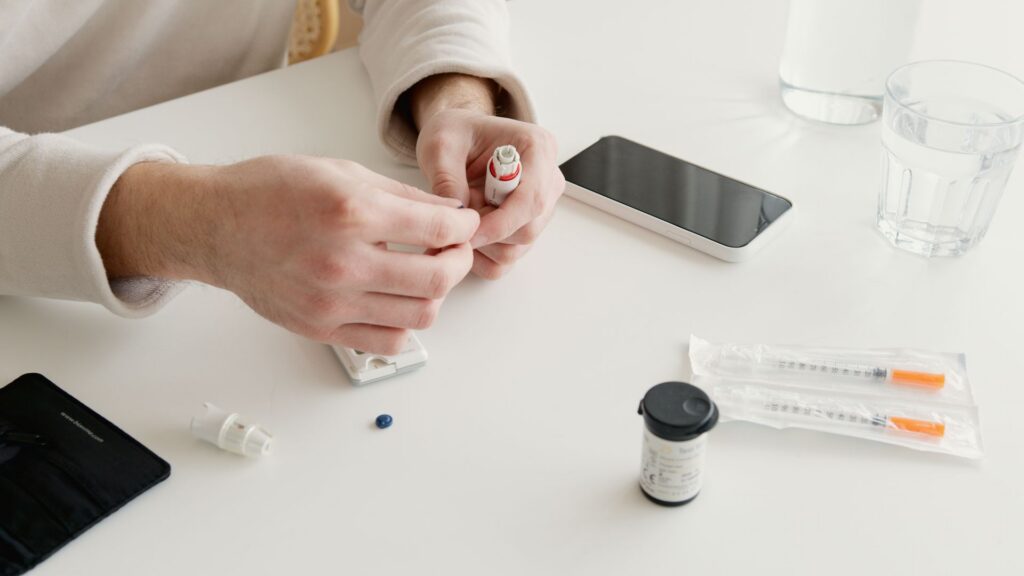
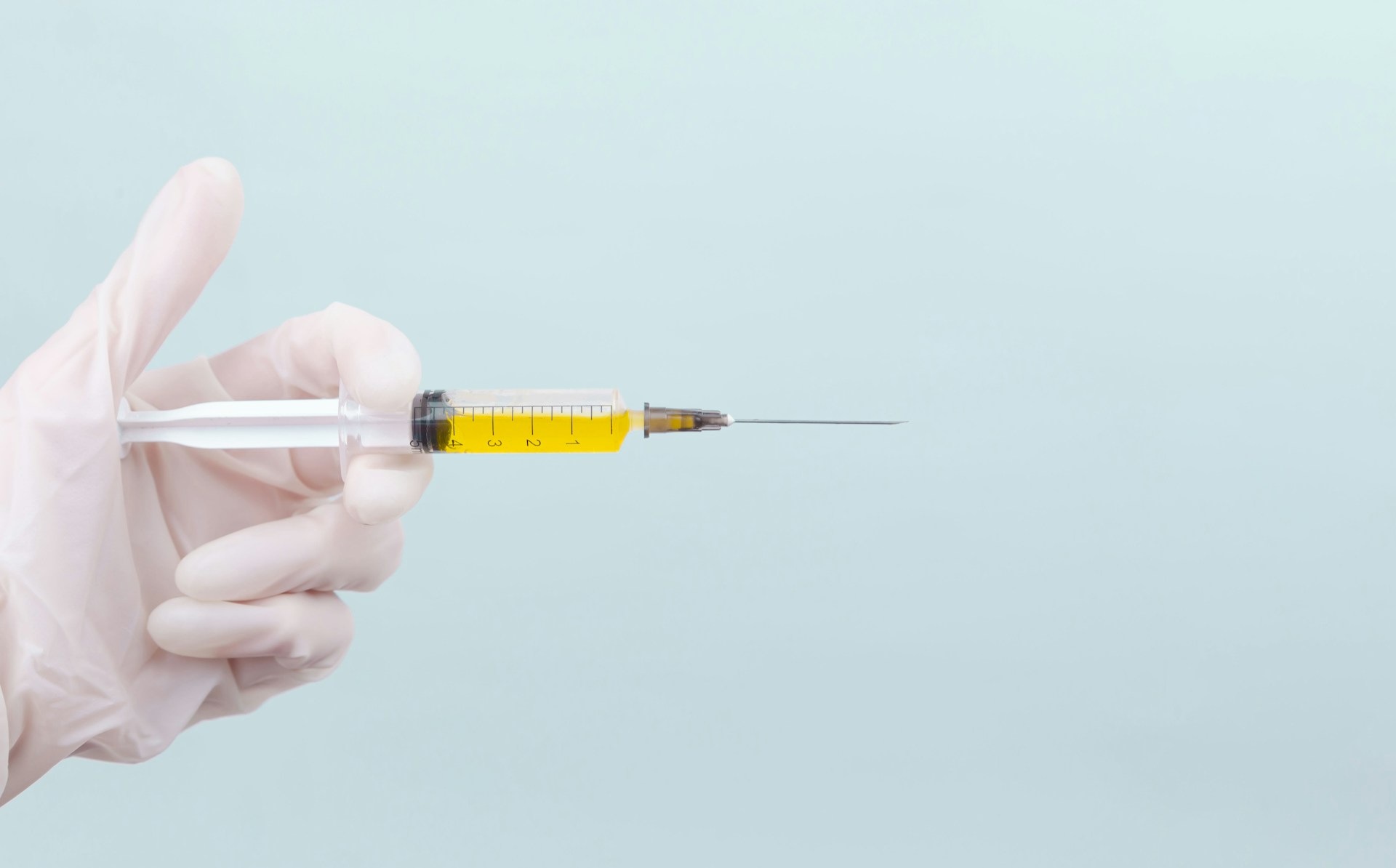
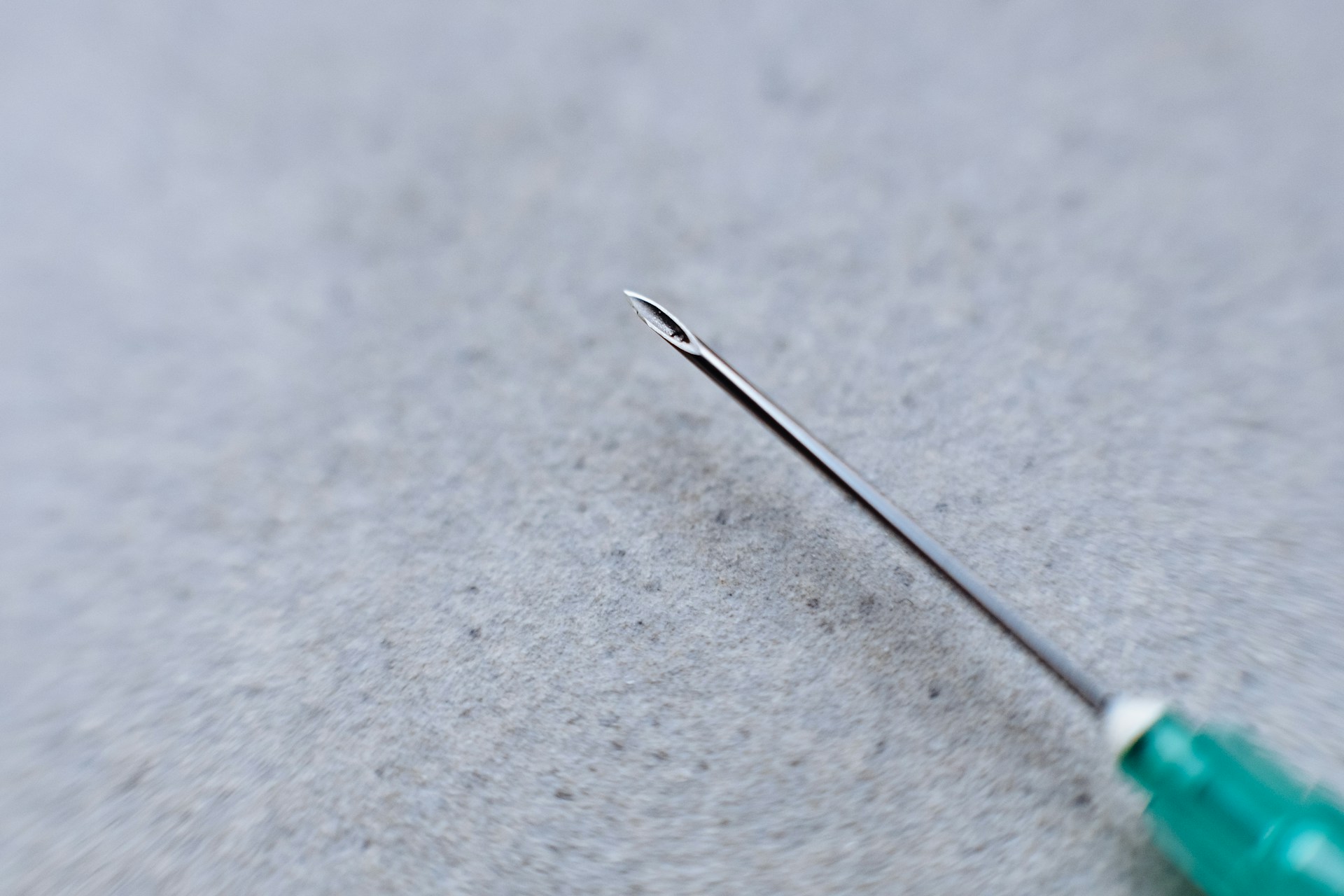
Close-up of medication administration pen

Key Takeaways

  • The emergence of at-home injections, like GLP-1 drugs, comes with several concerns, including proper medical waste disposal.
  • At Post Medical, we’re focused on educating the public about the appropriate safety measures necessary to protect themselves and others.
  • Some challenges we address include sharps thrown away in regular garbage bins, the rise of sharps in landfills, and easy access to sharps for children and animals.
  • Solutions that offer answers range from subsidized sharps containers and innovations in product production to expanded social programs that support home injectable use.

Concerns Regarding GLP-1 Needle Disposal

GLP-1 medications are a variety of drugs that are typically used to manage diabetes and weight concerns. These medications, including Ozempic, Mounjaro, and Wegovy, can be self-administered by non-medical professionals in the comfort of their own homes. The pre-filled needles are simple to use and require minimal instruction and training to inject.

Unfortunately, there are other safety concerns associated with using needles at home, such as proper disposal measures. Because these GLP-1 pens are considered medical waste, there are procedures that must be followed to mitigate safety concerns for your health and the environment. Follow this guide as experts at Post Medical explain the challenges of at-home needle disposal and offer recommendations to address these risks.

Concerns Regarding Pen Disposal

The moment a medication contains a built-in needle, it’s considered “sharp”. This classifies it as hazardous waste because it poses a risk of infection, injury, or environmental contamination. From needle sticks to environmental biohazards, regular household disposal is risky at best and dangerous at worst.

1. Safety Risks

Sharp objects in your home are already high-risk items to have around children and animals. Most adults likely take precautions to safeguard their homes from exposure to scissors, razors, sewing needles, and more. However, disposal of used sharps needles and lancets carries the added risk of exposure to pathogens, sharps injury, and medication diversion

2. Environmental Risks

Most GLP-1 devices are a combination of plastic and metal, along with residual medication after use. All of these materials pose environmental contamination risks that could be harmful to the ecosystems around your home.

3. State and Federal Laws and Regulations

Most GLP-1 Injection devices are comprised of a disposable syringe with sharps needle or lancet that requires proper disposal after use. Proper, environmentally friendly, and safe disposal of these devices is essential, and in compliance with many state and local laws

4. Costly Disposal Methods

While hospitals and clinics typically have contracts with medical waste processing facilities, individuals at home often lack access to affordable and convenient disposal services. Turn to https://safeneedledisposal.org/ to find a convenient site for disposing of your sharps waste.

Solutions to Needle Disposal Challenges

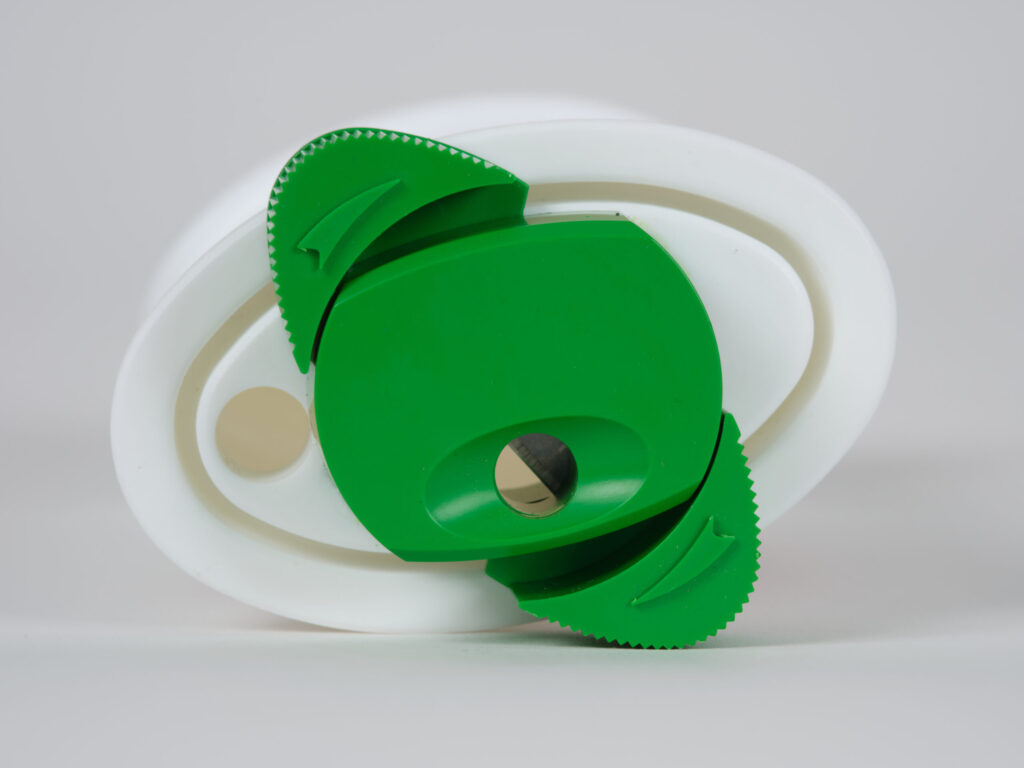
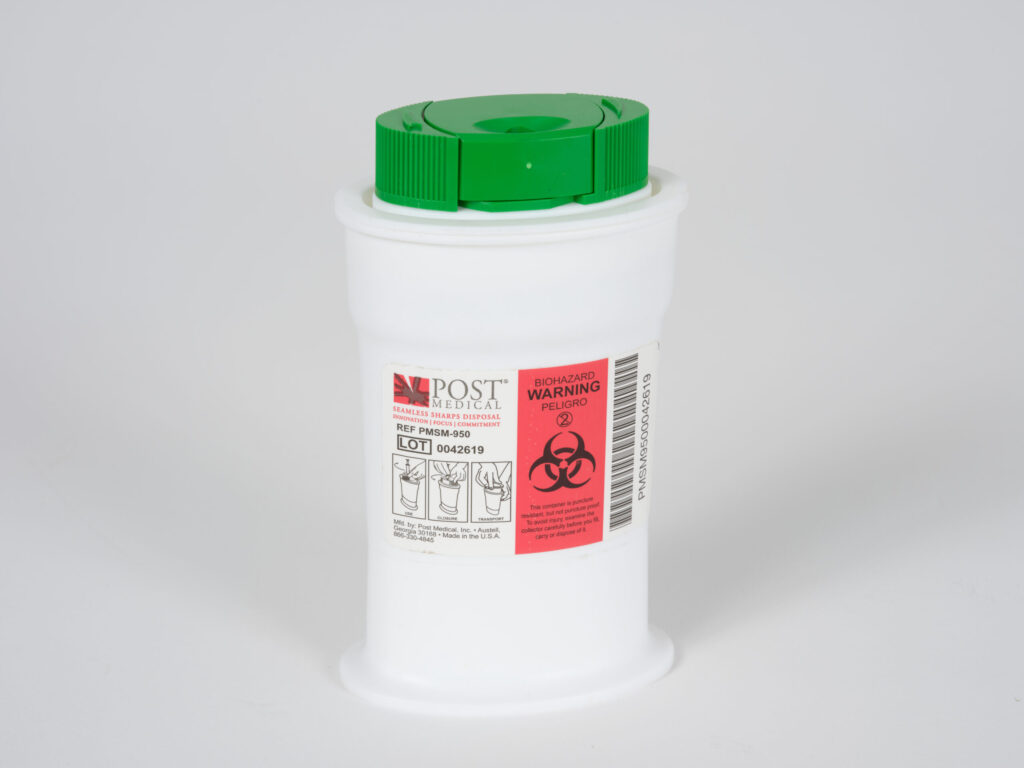
Post Medical’s Voyager Sharps Clipper and Container is the perfect solution for the active and travel lifestyles of many GLP-1 users.

Medical Sharps Containers at Home

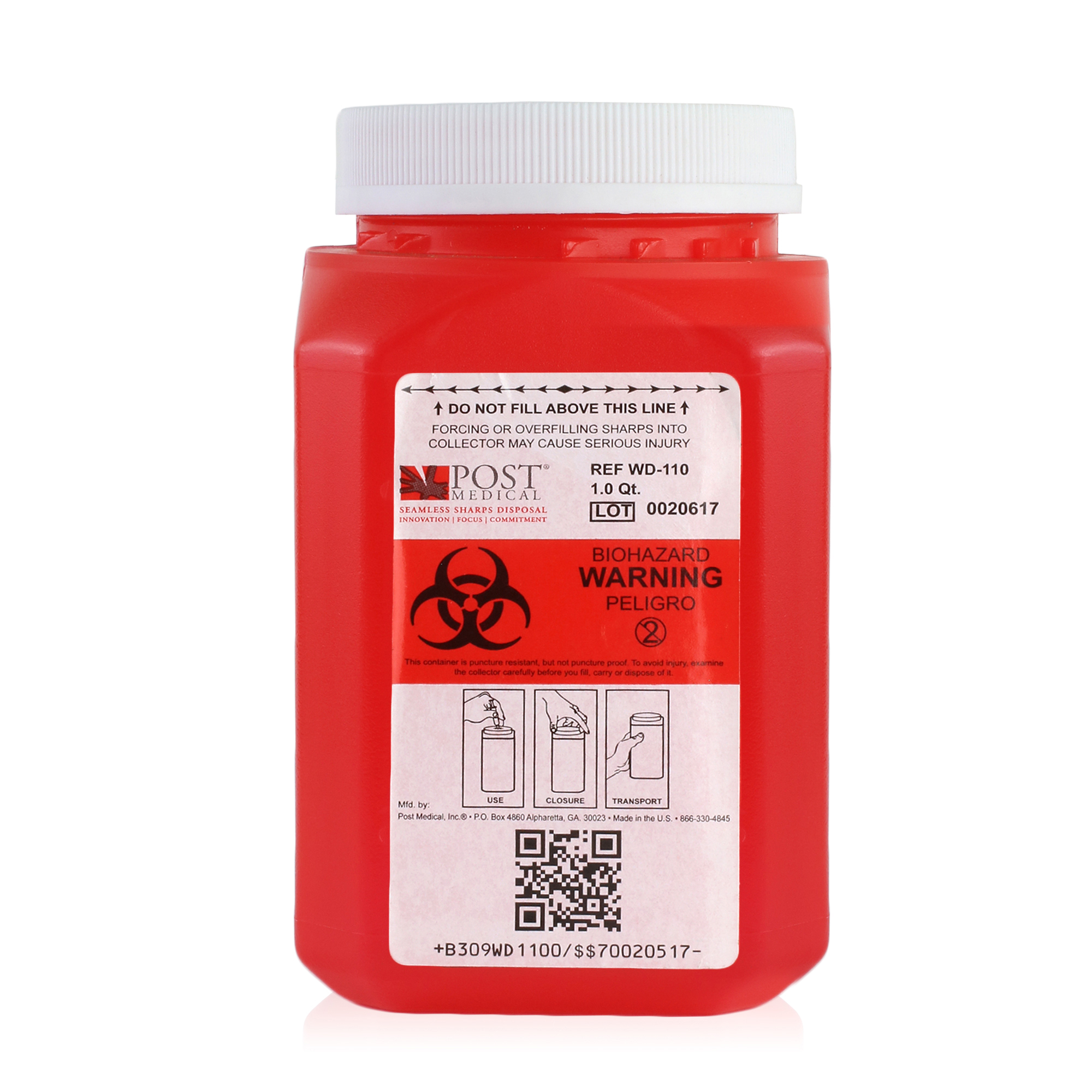
Proper sharps disposal begins with selecting the right container and decorative table top cover to best fit your needs. Explore our small sharps containers that are the right size and leak-tight with either screw top or snap closures. You can also find containers that will clip the needle off the medication for a more compact disposal method and easier transportation to a waste facility.

Home-Based Solutions for All

GLP-1 pens aren’t the only at-home medications that use needles; they’re simply the most recent in a long line of injectables that require more education and innovation to protect the general public. 

Raising public awareness, collaboration between pharmaceutical companies and the government, as well as comprehensive disposal programs, can do a lot to address the public health consequences of injectables for home use. Prioritize GLP-1 needle disposal safety standards to minimize contamination, infection, and environmental risks.


Interested in learning more about needle safety and regulatory guidelines? Post Medical is here to help. Browse the blog for the latest news about sharps disposal developments, learn about distribution services, or reach out to our team today for more personalized guidance and support.

Posted on

Medical Innovations in Sharps Disposal Management

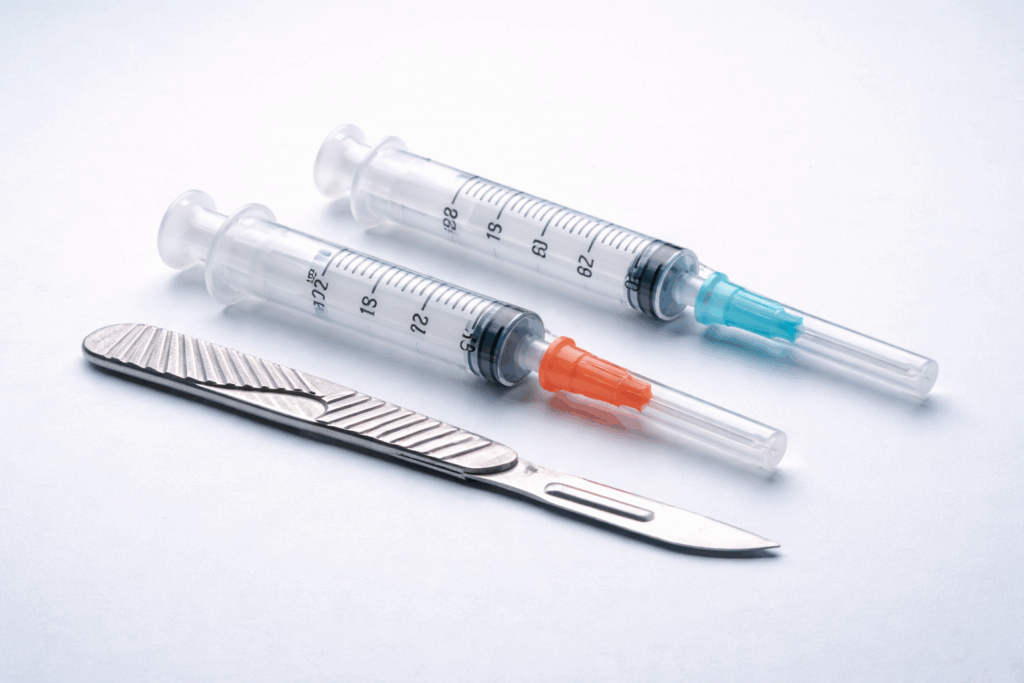
Sharps and other medical waste
  • There have been a number of innovations in sharps disposal management to ensure safer work environments.
  • Organizations are using enhanced safety methods to secure and encapsulate their sharps.
  • Learn more about the collaboration between medical facilities and sharps container manufacturers here.

Better Sharps Waste Management

Medical innovations in sharps disposal are ongoing. And Post Medical is at the forefront of creating some of the newest, safest disposal tools available. Older sharps container systems rely on plastic levers and doors to store sharps until disposal. Even worse, plastic wall-mounted systems are easy to compromise by unwanted intruders seeking to divert medications or sharp material for a venal purpose. These traditional methods are now considered inefficient, unsafe, and insecure.

Discover the newest methods available when you explore medical innovations in sharps disposal management here.

1. Touchless Drop Designs

      All of our sharps and needle disposal containers and cabinets feature a vertical drop design, where you don’t have to touch any part of the container to dispose of the item in your hand. This method results in minimal surface touches that reduce touch contamination and minimize the risk of tipping when the container is positioned on a countertop instead of mounted to the wall.

      2. Solid Steel Wall-Mounted Cabinets and Table Top Covers

      Several of Post Medical’s most popular innovations in sharps disposal feature the use of solid steel in our container accessories, including mounting brackets, tabletop covers, and secure wall-mounted sharps container cabinets. Compared to plastic enclosures and accessories, solid steel offers key benefits, such as:

      • Visual Appeal: Our tabletop covers and wall-mounted enclosures are available in a variety of powder-coated colors, including Glacier White, Steel Grey, and Amber, enhancing the aesthetic of any office, public, or clinical environment.
      • Secure Protection Against Diversion: Our solid steel backplates and four-point grommet system are designed to securely fasten wall-mounted cabinets, preventing forced removal and reducing the risk of diversion.
      • Access-Controlled Enclosures: Unlike plastic enclosures, our 18-gauge or thicker solid steel key-lock housings provide robust access control, making them ideal for public and high-security environments.
      • Protection: Our tabletop covers are expertly designed to secure containers, preventing tipping and hazardous spilling of contents.

      3. Snap or Screw Container Closures

      Workplace and public safety regulations have driven innovation in sharps disposal devices, promoting efficient methods to protect staff and foster a safer work environment. One of the ways you can enhance safety and customize your biohazard sharps containers is with your preferred choice of lid. We offer both snap and screw lid closures with benefits for every step of your sharps waste management process.

      • Snap Lid: This lid style is designed to be resealable. Staff can open and close it throughout the shift as needed. It’s especially useful for organizations that utilize travel nursing and need to carry disposal containers with them.
      • Screw Lid: The ratcheted lid design is made to be tamper-evident, as the lid offers a permanent sealing solution.

      4. Single-Piece Container Construction

      Post Medical’s single-piece molded containers revolutionize sharps disposal by eliminating the need for customer assembly, significantly reducing the risk of leaks or container failures associated with traditional multi-part designs. This streamlined, one-piece construction simplifies ordering, restocking, and installation processes, making it more efficient to integrate new containers into Post Medical’s enclosures and mounting accessories.

      Choose the Best

      At Post Medical, we’re passionate about medical innovations in sharps disposal. We strive to provide you with the best solutions to meet the needs of all medical facilities – large or small. Whether you operate a small veterinary clinic, tattoo parlor, public park, commercial real estate, a large hospital, or a home health nursing service, we’re here to help. Reach out to us today to discuss your specific needs and order the best containers and covers for your operations.

      Posted on

      The Hidden Risk: Why Public Spaces and Businesses Must Plan for Sharps Disposal

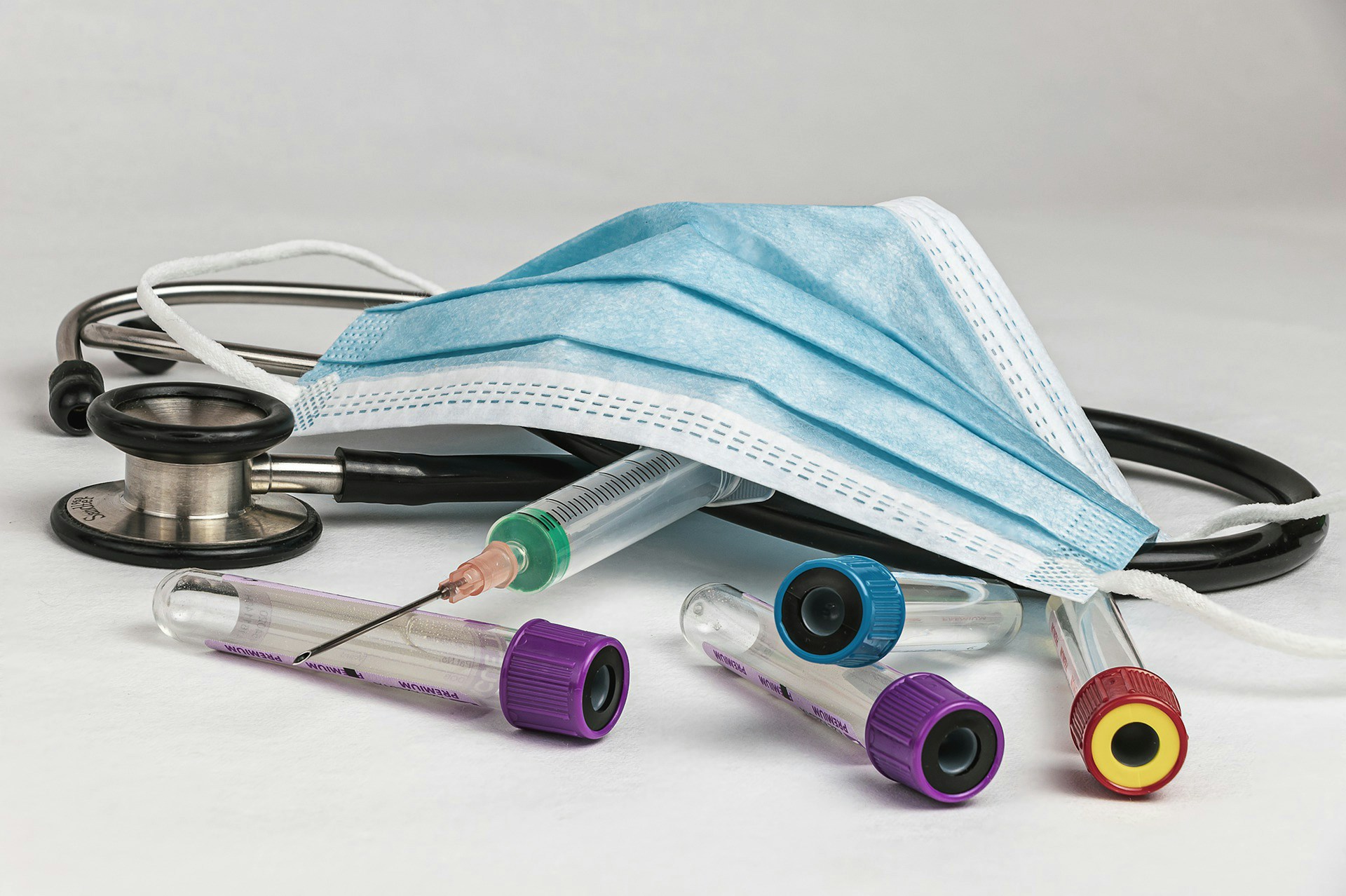
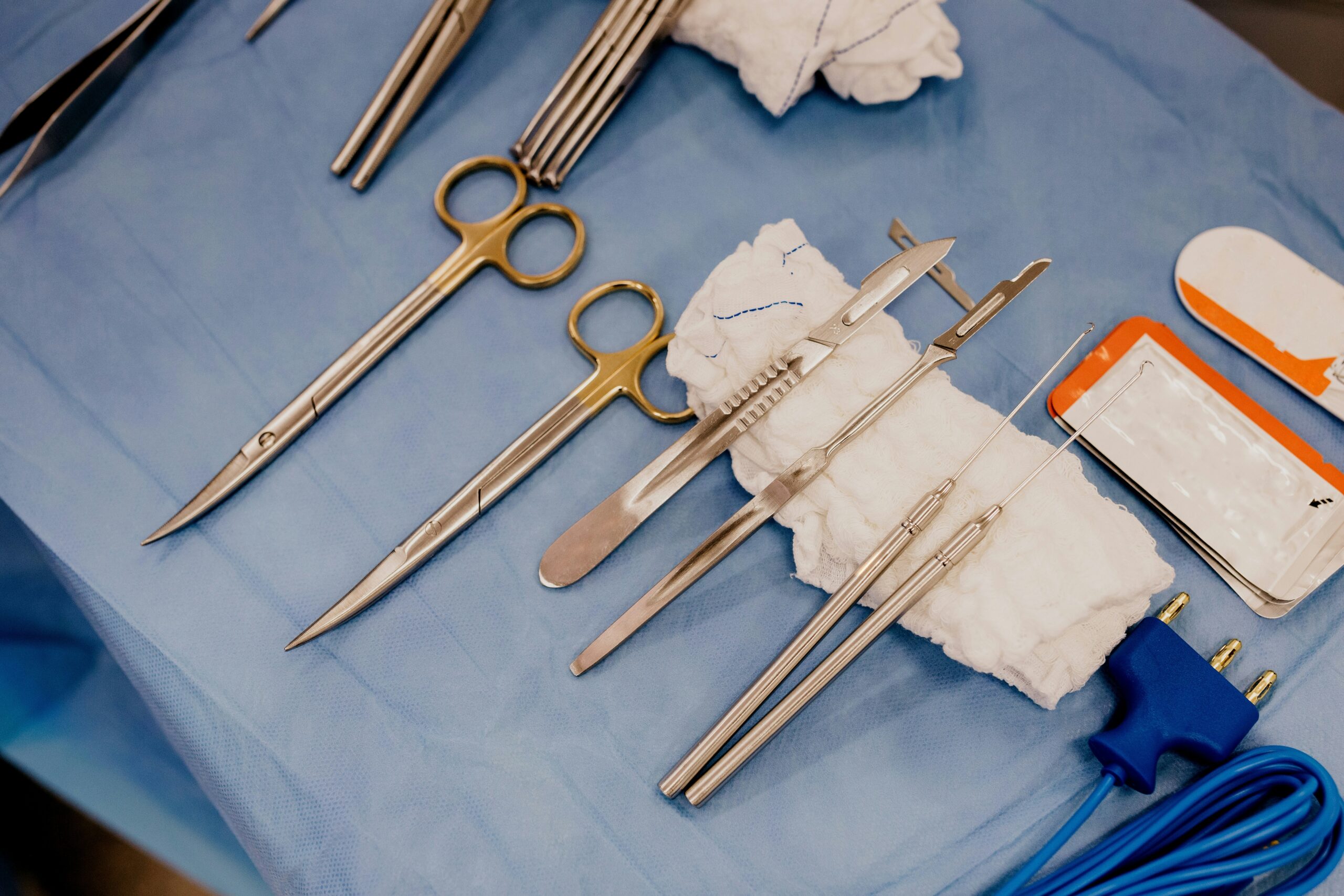
      medical tray with different types of sharps

      Whether you’re part of a hospital, pharmacy, independent in-home care business, veterinary clinic, or a private individual who uses sharps on a regular basis, you likely know that millions of sharps are used and disposed of every single year by tons of different industries. But why is appropriate sharps disposal so important? Why are there so many regulations governing sharps disposal for businesses and individuals?

      At Post Medical, we’re familiar with the rules and regulations governing sharps disposal. And we know that this type of waste can present a serious risk to public safety, the environment, and even the employees who work with these tools every day. In this article, we’ll explore the importance of strong sharps disposal policies and why it is necessary to have strict guidelines in place to enforce these rules within your own facility. Follow along as we explore the hidden risks associated with sharps and the importance of proper sharps disposal through approved sharps bins.

      What Are Sharps?

      When anyone in the medical field refers to sharps, they’re talking about any object or medical device that can puncture skin. Here are some of the most common sharps you may encounter while working in a medical facility:

      • Syringes: These are devices that are typically used to store and deliver liquid medications through a needle. They can be injected directly into the body or an IV bag.
      • Needles: Available in a variety of sizes, needles are sharp and thin. They can be used to draw blood or inject medication.
      • Scalpels: These tools are very sharp and thin knives with blades that are used to make more precise cuts during medical procedures and surgeries.
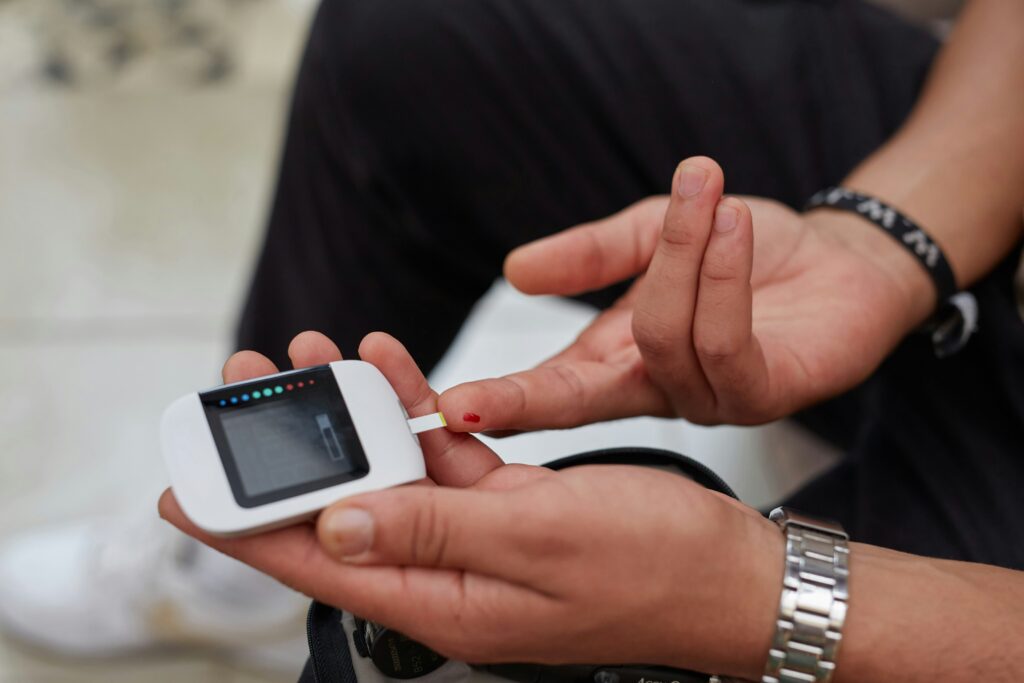
      • Lancets: One of the most common devices for testing blood sugar, many people use lancets to prick their fingers and test their blood.
      • Infusion Sets: A set of tubes with attached needles that can be used for intravenous therapy.
      • Glass Vials/Pipettes: Although these are not designed to pierce the skin, vials hold medication or blood, and pipettes are used to transfer small amounts of liquid between different containers.

      None of these medical tools can be disposed of along with regular household waste, as they can contain bacteria, viruses, or pathogens that pose serious health risks to anyone who handles them improperly.

      How Safe Sharps Disposal Protects the Community

      Implementing an enforceable and clear sharps policy is designed to protect staff, patients, and the broader community. Some of the key reasons include reducing the spread of disease, preventing injuries, protecting the environment, and complying with government regulations.

      • Reduce the Spread of Disease

      Safe sharps disposal using medical sharps containers is essential for basic hygiene and safety. Using biohazard sharps containers can reduce the risk of infection through injury, prevent contamination of workspaces, and minimize exposure to a variety of bloodborne diseases — from hepatitis to HIV. With designated sharps containers that are specially designed for easy disposal and secure containment, you can ensure staff and patients are safe.

      • Prevent Stick Injuries

      When your team adheres to all sharps disposal policies, the risk of stick injuries drops dramatically. In fact, studies show that providing sharps disposal containers in patient rooms and at medication stations led to a drop of over 80% in stick injuries. 

      Many needle disposal boxes are thoughtfully crafted to help staff dispose of sharps quickly and easily. Some of the best boxes offer vertical drop disposal with tamper-proof seals that prevent anyone from reaching in and removing sharps once disposed of. These containers are also leak-proof, puncture-proof, and resealable, so you can store them safely until they’re full.

      • Protect the Environment

      While disposing of sharps in the course of your daily activities should be one aspect of your sharps disposal policy, you shouldn’t ignore appropriate disposal policies once your sharps containers are full. You don’t want medical waste contaminating public parks or waterways, and you definitely don’t want sharps littering the streets where people, children, and pets may accidentally prick themselves.

      • Ensure Medical Compliance

      OSHA and EPA regulations typically govern proper sharps disposal for businesses, caregivers, and patients. When your policies are in legal compliance with these agencies, you can be sure that you’re doing the utmost to protect your entire community. In addition to patient, staff, and environmental safety, you’ll also minimize the risk of legal liabilities, fines, and other unforeseen harm.

      Disposing of Sharps

      There are a few basics to safe sharps disposal that every facility and individual should follow, including the use of appropriate disposal containers. These containers must abide by just three simple rules:

      • Leak Proof: Containers must be made of sturdy materials that prevent leaks. They ensure a sterile environment, free of any residual liquids remaining after sharps have been used.
      • Puncture Resistant: Sharps containers should be able to prevent accidental or deliberate tears and breaks. The material should be thick enough to stop the sharps within from puncturing the container.
      • Safety Markings: Everyone should be able to read and understand that a sharps container contains biohazard material. Labeling the materials inside can minimize the risk of unsafe disposal.

      Post Medical Is Here to Be Your Trusted Partner

      Whether you’re still searching for the right-sized sharps disposal containers to handle the volume at your facility or you want wall mounted sharps container cabinets that make accessibility easier for your staff, Post Medical is here to help. With our USA-made products, we strive to guarantee better quality control, streamlined ordering, and quick delivery to any medical facility in need of proper sharps disposal tools. Trust in us to provide you with premium-quality containers that enhance your operations.


      Have questions about our products? Reach out to our team for personalized guidance and support.

      Posted on

      Post Medical Announces Distribution Partnership with SEVA Technical for GSA members

      Post Medical is proud to announce a new distribution partnership with SEVA Technical, designed to enhance access to our line of Sharps Cabinets and Containers for all government agencies. SEVA Technical is a well-known and respected supplier to government agencies through GSA Advantage! and FedMall, specializing in providing a wide range of safety and industrial products tailored to the specific needs of military and government organizations across various sectors. SEVA Technical’s commitment to maintaining a substantial inventory of Post Medical’s products strengthens its ability to meet the immediate needs of GSA customers, especially when service levels are critical.

      Post Medical takes pride in our long history of manufacturing the industry’s leading high-security sharps cabinets and containers, all produced in the USA—unlike many competitors who rely on offshore manufacturing. With domestic production, Post Medical is uniquely positioned to comply with GSA sourcing requirements and meet the specialized performance demands of military, government, and municipal end users.

      For more information about Post Medical’s products or SEVA Technical, feel free to visit our online store at www.postmedical.com/products , GSA’s website GSA Advantage! or DLA’s FedMall for additional details.

      Posted on

      COVID-19 vaccinations prompt CDC guidance on sharps disposal

      Two new fact sheets from the Centers for Disease Control and Prevention are intended to help health care workers, managers and purchase agents ensure the safe handling and disposal of sharps during the nation’s COVID-19 mass vaccination effort.

      • After administering a vaccine, workers should engage any safety feature and immediately place the sharp in a disposal container that is closable, puncture resistant, leakproof on the bottom and sides, and biohazard labeled or color coded.
      • Workers should keep a container within arm’s reach and in a secure, upright position.
      • Containers should be filled only to the clearly marked fill line.

      Overfilled containers, CDC says, increase the risk of a needlestick injury and bloodborne pathogen exposure.
      “Health care facilities and COVID-19 vaccination sites must use sharps disposal containers that meet OSHA Bloodborne Pathogens standard requirements to dispose of contaminated needles and other sharps,” one of the fact sheet states.
      “Use Food and Drug Administration-cleared containers whenever possible.”

      If a shortage of FDA-approved disposal containers should occur, managers and purchase agents should help conserve containers by considering the use of reusable sharps containers, as well as encouraging workers to:

      • Place only sharps in the containers.
      • Avoid removing, recapping, breaking, bending or separating contaminated needles before discarding them in a container.

      Originally reported by Safety + Health Magazine.

      Posted on

      Sharps Safety: Injuries Remain a Sticking Point in 2020

      Where do things stand in 2020 with regard to needlestick injuries and sharps safety? Unfortunately, these injuries remain a serious problem in today’s health care environment.

      Mary J. Ogg, MSN, RN, CNOR, senior perioperative practice specialist with the Association of periOperative Registered Nurses, says that sharps injuries decreased initially after passage of the Needlestick Safety and Prevention Act due to the introduction of sharps injury prevention devices.

      “But recent epidemiological data suggests that injuries from sharps injury prevention devices are on the rise,” she says, noting that injuries occur prior to activation of the safety feature. Emergency physician Michael Sinnott, MBBS, FACEM, FRACP, who is also the co-founder of medical device manufacturer Qlicksmart, cites research indicating that there are 32 sharps-related injuries for every 100,000 suture needles purchased, 12.6 sharps-related injuries for every 100,000 scalpel blades purchased and 2.65 sharps-related injuries for every 100,000 needles purchased.

      During his keynote presentation at the World Health Organization’s First Global Patient Safety Day in 2019, Sinnott outlined a five-step safety program for preventing sharps injuries: awareness, regulatory support, safety equipment, administrative actions and management support.

      When sharp objects can’t be eliminated, safety-engineered devices such as blunt sutures needles, safety scalpels, safety syringes and needles can help eliminate sharps injuries.

      Posted on

      Proper Drug Disposal Protects Patients, Caregivers

      Kerri O’Keefe had worked as a care aide in the emergency department at Vancouver General Hospital (VGH), in British Columbia, for more than 15 years, transporting patients and helping them with all their basic needs. She loved her job—but according to news reports in the Vancouver Sun, she also had a desperate addiction to drugs, and working in a busy hospital emergency room was the perfect place to steal them.

      Ms. O’Keefe would ransack sharps bins and other biohazard waste containers, digging out discarded vials and syringes that still contained leftover traces of morphine and fentanyl and sneaking them home in her backpack, where she would inject the collected remnants.

      In 2014, the DEA issued new regulations that controlled substances be rendered unretrievable and unusable after disposal. “Pharmaceutical waste companies have [issued] a lot of new products since that ruling to help facilitate compliance,” Dr. O’Neal said.

      VGH is not alone in overlooking the waste stream as an important area to secure controlled substances, said Brian O’Neal, PharmD, the senior director of pharmacy and biomedical engineering at Children’s Mercy Hospital, in Kansas City, Mo., and an expert in preventing the diversion of controlled substances.

      The most common, as Dr. O’Neal noted, is when syringes, vials or even topical transdermal patches that have already been used are placed in waste containers. In a survey conducted by ASHP a little over a year ago, at least 30% of hospitals said they used one of these waste management solutions, Dr. O’Neil said.

      Originally reported by Pharmacy Practice News February 7, 2017.

      Posted on

      Utah man warns of danger of used drug needles after being pricked in public park

      A good deed in a public park led to a Utah man seeking treatment for possible exposure to infectious diseases after he was stuck by a discarded drug needle in a pile of garbage.

      Georg Stutzenberger, of Salt Lake City, says he was pricked when he reached down to clean up trash near the entrance to the off-leash dog area at Cottonwood Park last week. Health officials have been trying to address the issue of discarded drug needles for years. The Salt Lake County Health Department has four sharps disposal boxes around Salt Lake City.

      Concerns over drug use and discarded needles have also been an issue at other parks in the city. In 2019, 2News spoke with a former park groundskeeper who said the danger presented in the parks by drug use led her to quit. There have been efforts to implement “safe injections sites,” but the issue has led to pushback from critics who say it incentivizes drug use.

      Originally reported by 2KUTV March 8, 2021.