
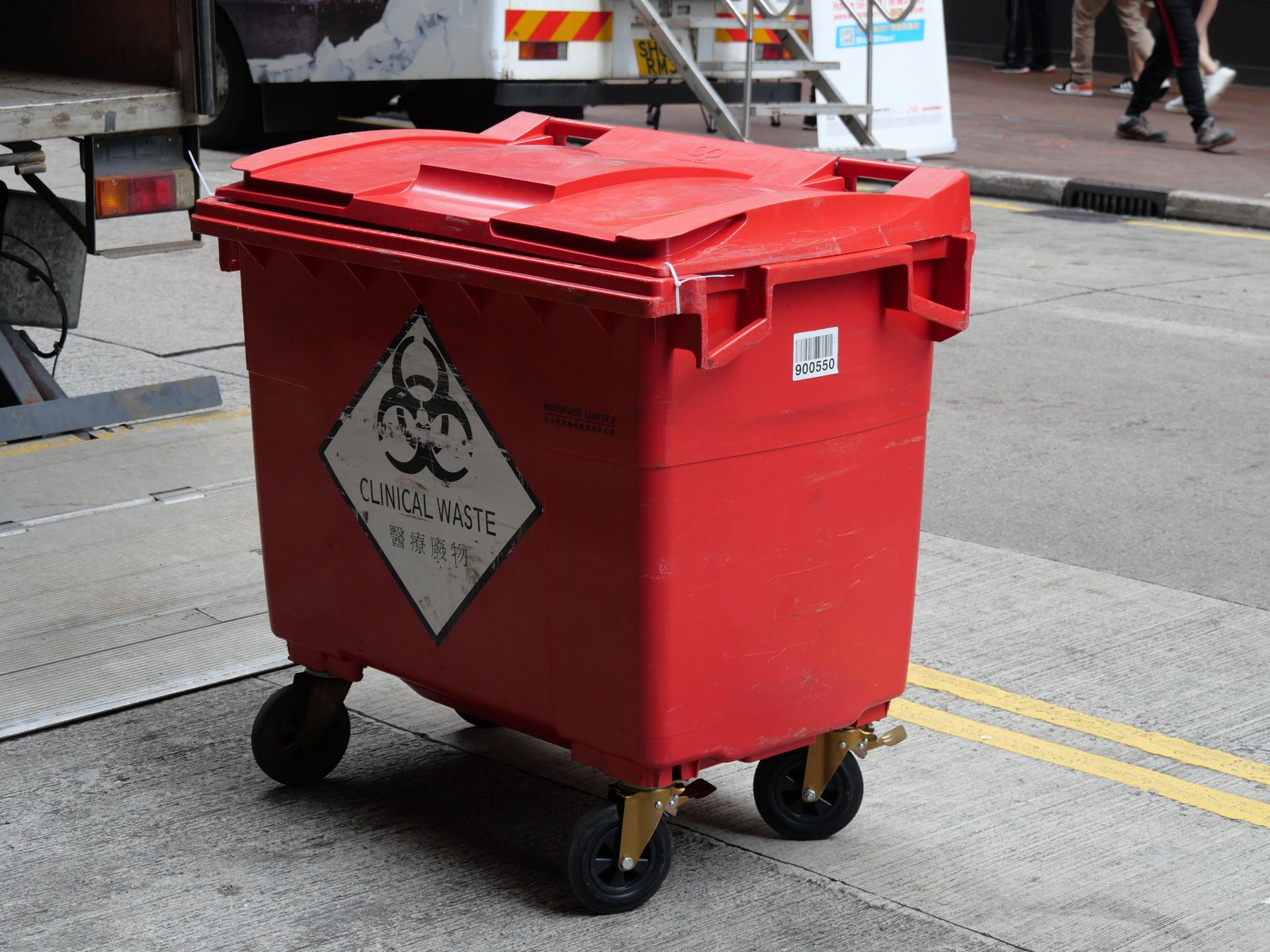
Why Can’t Sharps Go in the Regular Trash?
Takeaways: Sharps can’t go into regular trash bags for one simple reason: the needles
#1 Online Store to Buy OSHA/CDC Compliant Sharps Containers and Cabinets
Free Shipping on Any Order of $1000 or More
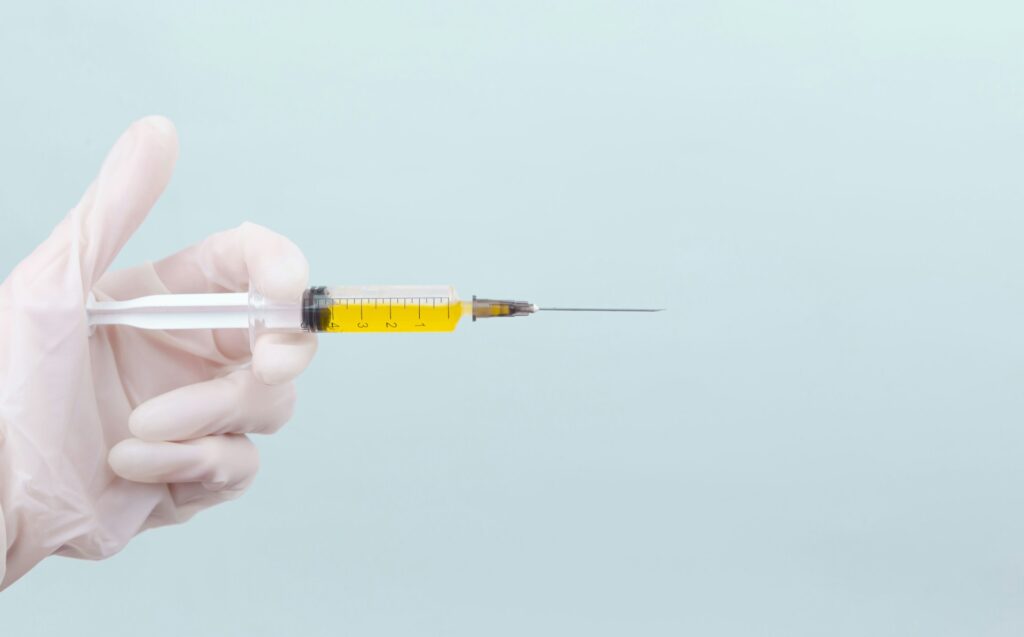
Needlestick injuries are a potential hazard in a variety of workplaces, including hospital settings, laboratories, veterinarian offices, and emergency transport services. Anyone who handles sharps is at risk and should take appropriate precautions for avoiding needle stick injury.
Whether you’re in charge of creating training modules for staff or building compliance regulations in your facility, this guide can be a helpful tool for preventing sharps injuries. Take a look at our recommendations to develop the best system for your team.
You can modify your use of sharps with a variety of safety devices to ensure a safer environment for staff. These devices are modified sharps designed to help with avoiding needle stick injury. Some of the most common safety technologies that can make a difference for everyday needle use include:
Many of these safety devices come already attached to syringes and other sharps, so ordering a product with added accessories adheres to OSHA’s Needlestick Safety and Prevention Act.
Stocking your facility with sharps that already include enhanced safety measures is step one of avoiding needle stick injury, but that doesn’t mean you can skip out on training! Teach your staff proper sharps handling for preventing sharps injuries on a daily basis.
Here are the basics of needle handling safety:
Understanding needle handling also includes reviewing medical sharps containers. Keep reading for CDC and OSHA recommendations regarding needle disposal.
While each facility generally has its own sharps disposal guidelines, the best strategy for avoiding needle stick injury in the workplace is to adhere to CDC and OSHA recommendations. CDC needlestick injury statistics show that needle stick injuries occur across all types of sharps, including:
No matter which sharps are most used in your facility, these disposal instructions can work toward preventing needle stick injury:
Use steel-backed sharps container cabinets to mitigate theft
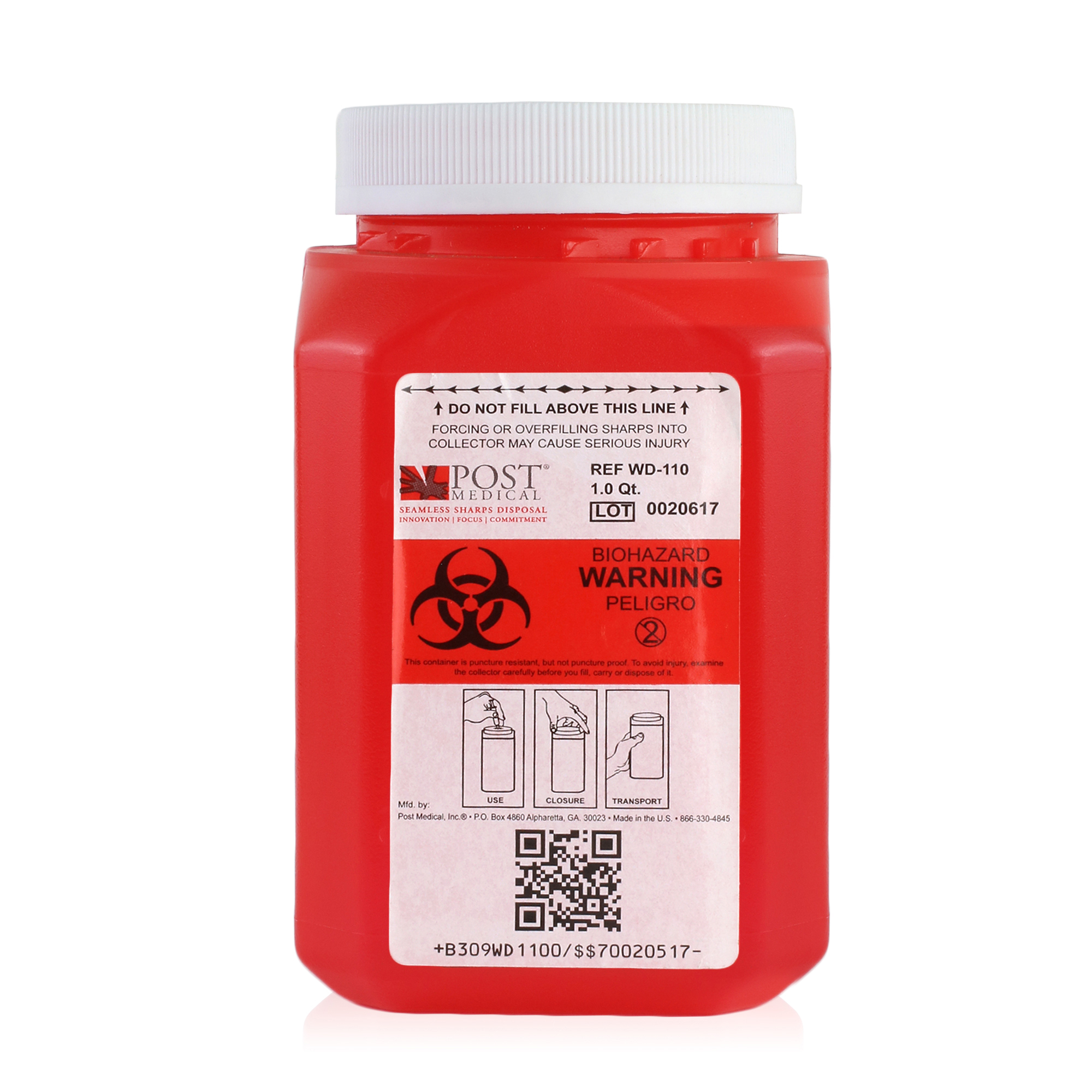
Many sharps and blood disposal containers offer unique features with safety in mind. Some of the top clinical sharps disposal container designs for avoiding needle stick injury include:
While we previously discussed gloves as a strategy for avoiding needle stick injury, it’s important to revisit this for a more thorough explanation. While many healthcare professionals already glove up before using needles, evidence shows that double-gloving can improve needlestick prevention even more. While it’s still possible to break through two pairs of gloves, any added precaution for preventing needle stick injury can make the difference between safety and exposure to bloodborne pathogens.
While there are situations where needle use is required, you can focus on preventing sharps injuries by using needles only when absolutely necessary. In some cases, it may be better to wait until a patient is calm or the circumstances in your facility are less hectic before proceeding with sharps usage. Conduct a risk assessment for your specific situation to determine whether you should take immediate action or wait for better conditions. Common concerns during your assessment should include:
Sometimes, avoiding needle stick injury is impossible. If you’ve been pricked, sanitize and treat the wound right away. You’ll also need to inform a facility supervisor and possibly submit to testing for HIV, hepatitis B and C, and other bloodborne pathogens.
In some cases, sharps can transmit lifelong illnesses, like HIV, into your system. While preventing sharps injuries is getting easier, the World Health Organization has found that Hepatitis C is the most commonly transmitted virus, accounting for 21% of cases.
If preventing needle stick injury is impossible, you should get tested at the time of the incident. You should continue testing at the six-week, three-month, and six-month mark before you can consider yourself clear of contagion.
Post Medical offers your team the tools you need for avoiding needle stick injury in a variety of situations. Shop our products to discover large sharps containers for hospital sharps disposal, as well as medium and small containers for use in low-volume environments.

Takeaways: Sharps can’t go into regular trash bags for one simple reason: the needles
Key Takeaways A used needle does not stop being dangerous once the injection is

The safest way to store a sharps container in a home with children is