
Sharps 101: A Beginner’s Guide to Sharps
Key Takeaways A used needle does not stop being dangerous once the injection is
#1 Online Store to Buy OSHA/CDC Compliant Sharps Containers and Cabinets
Free Shipping on Any Order of $1000 or More
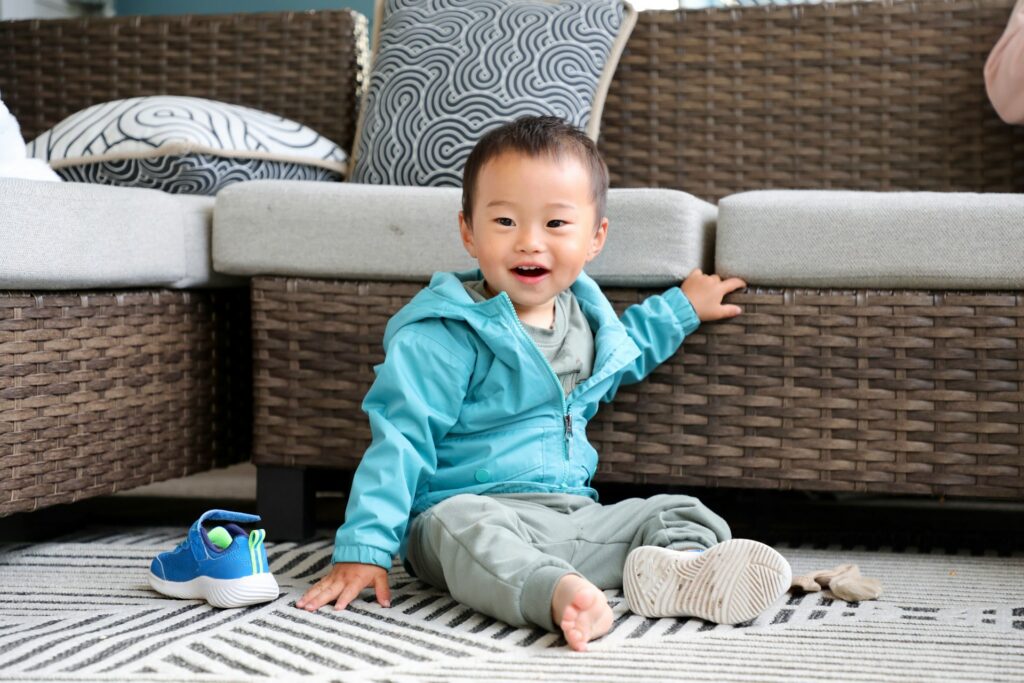
The safest way to store a sharps container in a home with children is to keep it upright, closed, secured, and completely out of a child’s reach. A sharps container should never be left on the floor, near a crib, on a low bathroom shelf, or anywhere a child can climb to reach it. Families should place used needles, lancets, auto-injectors, and other sharps directly into a proper container immediately after use. The safest home system combines a child-inaccessible storage location, a puncture-resistant container, a consistent disposal routine, and clear rules for every caregiver in the home.
A safe sharps routine starts with the right container. A loose needle in a drawer, bathroom trash can, purse, diaper bag, or nightstand creates a preventable injury risk because children explore with their hands and may not recognize danger.
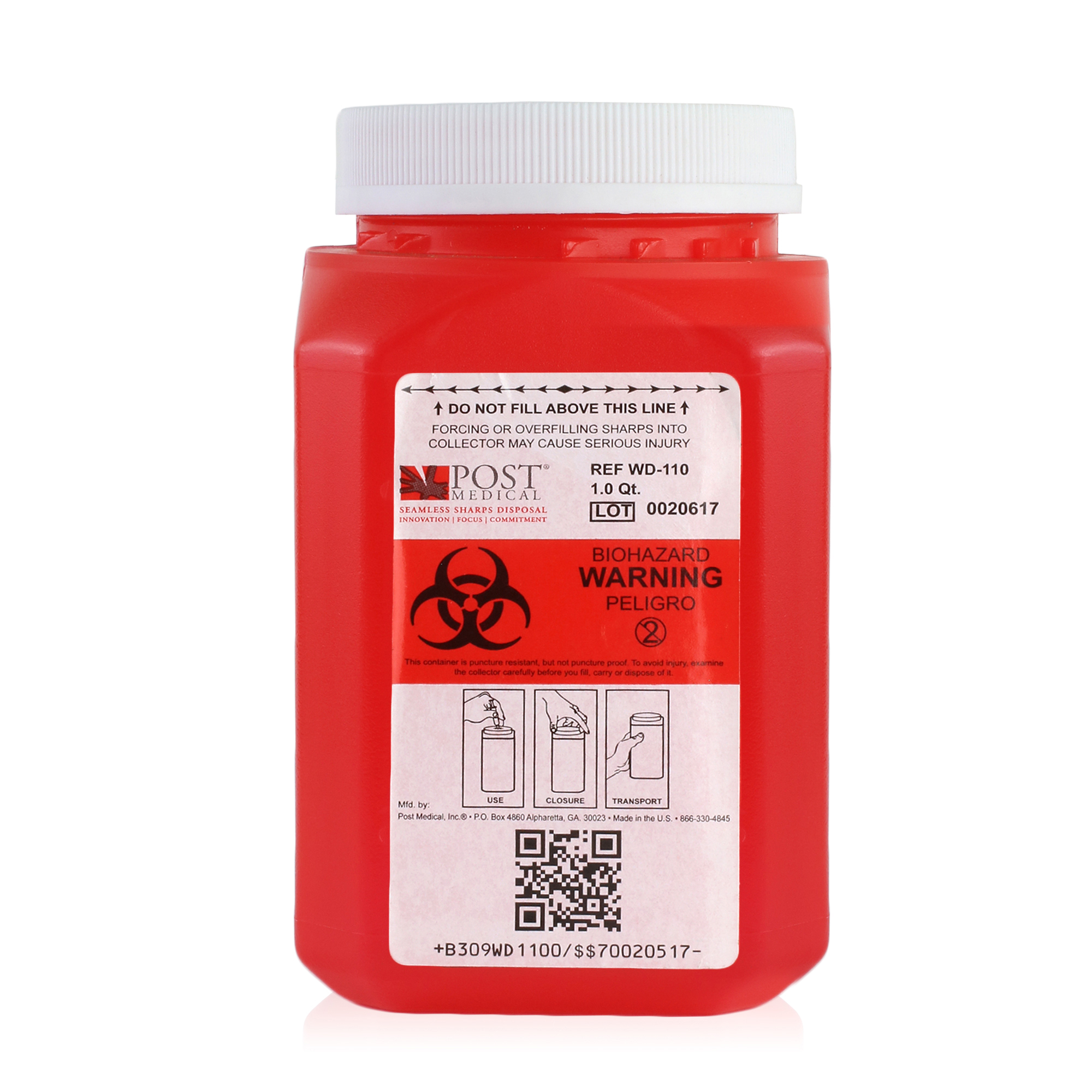
A proper container for sharps should be rigid, puncture-resistant, leak-resistant, closable, and clearly marked for sharps waste. Families managing injections, diabetes care, fertility treatments, allergy medications, or other home medical routines should choose a container designed for medical sharps instead of relying on open cups, plastic bags, or regular trash bins.
Post Medical offers options for families and caregivers who need a reliable container for sharps as part of a safer home disposal system. The key is to make the safe choice the easiest choice every time a sharp is used.
The safest storage location is one that a child cannot see, reach, open, tip, or climb toward. A high shelf may work in some homes, but a locked cabinet or secured wall-mounted system is safer when toddlers, siblings, visiting children, or curious pets are present.
A sharps container should not be stored on a bathroom counter, bedside table, changing table, kitchen island, backpack, car seat pocket, or low closet floor. These areas are easy for children to access during normal household activities.
For homes that need a permanent storage point, a wall mounted sharps container cabinet can help keep the container visible to adults but inaccessible to children. Wall mounting also helps prevent tipping, moving, and accidental handling.
A sharps container should be close enough for immediate disposal but positioned where children cannot access it. This balance matters because carrying an exposed used needle across the house increases risk, while leaving the container too low increases child access.
For example, an adult who gives an injection in a bedroom may keep the container in a locked upper cabinet in that room. An adult who checks blood glucose in a kitchen area may keep the container in a secured upper cabinet rather than under the sink.
The guiding rule is simple: the adult should be able to dispose of the sharp immediately, and the child should not be able to reach the container at all. A safe location supports both goals.
The safest time to dispose of a sharp is immediately after use. Waiting until later creates opportunities for needles, lancets, or syringes to be forgotten on a counter, wrapped in a tissue, placed in a pocket, or thrown into the wrong trash container.
Parents and caregivers should build a fixed sequence: use the sharp, activate any safety feature if applicable, place it directly into the sharps container, close the lid, and return the container to its secured location. The routine should be the same every time, so no one has to make a judgment call while distracted.
This matters especially in homes with babies, toddlers, and school-age children. Children move quickly, and a sharp left out for even a short period can become accessible.
An overfilled container is harder to close, easier to spill, and more dangerous to handle. Families should follow the container’s fill line and prepare for disposal before the container becomes full.
Many sharps containers include a marked fill line that shows when the container should be closed and replaced. If a container does not have a visible fill line, families should avoid packing, shaking, pushing, or forcing sharps inside.
Never reach into a sharps container to rearrange contents. Never press down on sharps to create more space. Once the container is ready for disposal, close it securely and follow the rules for your local disposal program.
Child safety improves when storage controls are paired with clear language. Children should be taught that needles, lancets, syringes, and medical containers are adult-only items and should never be touched.
The explanation should be short and calm. A useful rule is: “If you see a needle or medical container, do not touch it. Tell an adult right away.”
This rule should apply at home, in public bathrooms, parks, parking lots, hotel rooms, and during travel. Children do not need detailed medical explanations to understand that certain items require adult help.
Every adult in the home should know where the sharps container is stored and what to do if they see a sharp outside the container. This includes babysitters, grandparents, home health aides, older siblings, and visiting relatives who help with care.
A written household rule can prevent confusion. The rule should state that used sharps go directly into the sharps container, the container stays closed and secured, and no sharps go into regular trash or recycling.
For families purchasing or replacing supplies, the phrase buy sharps container should lead to a product decision based on safety, capacity, closure design, and the household’s disposal routine. The best container is the one that fits the home’s real use pattern and stays consistently out of children’s reach.
Travel creates a different safety challenge because families may use injections or lancets in cars, hotels, airports, relatives’ homes, and public restrooms. A loose sharp should never be placed in a purse, backpack, diaper bag, snack bag, or suitcase pocket.
A dedicated travel sharps container helps keep disposal consistent outside the home. The travel container should stay closed between uses and should be stored where children cannot open or play with it.
Parents should also plan for the return trip. If a travel container will not be emptied during the trip, it should remain sealed, upright, and separated from children’s items until it reaches the correct disposal location.
Sharps safety is easier when the setup matches the room where care happens. A bathroom setup may require locked upper storage because counters are often crowded and accessible. A bedroom setup may need a dedicated shelf or cabinet so the container does not end up on a nightstand.
Some families prefer a discreet needle disposal box setup when sharps disposal is part of daily life. A covered or contained setup can support a cleaner visual environment, but child access control should remain the priority.
Design should never replace safety. The container must still be secure, closed, upright, and clearly understood by the adults who use it.
Several common habits make sharps more dangerous in homes with children. These habits usually happen because someone is tired, rushed, or trying to hide medical waste quickly.
A safe system removes the need for improvisation. When the container has a fixed location and every adult follows the same steps, children are less likely to encounter sharps unexpectedly.
Parents often ask whether a container is safe if it is capped, closed, or placed behind another object. The better question is whether a child can reach it, move it, open it, or knock it over.
| Storage Choice | Safety Level | Why It Matters |
| Locked upper cabinet | Safer | Limits access, visibility, and handling by children. |
| Secured wall-mounted cabinet | Safer | Keeps the container upright, stable, and adult-accessible. |
| Bathroom counter | Riskier | Easy for children to reach or climb toward. |
| Under-sink cabinet without a lock | Riskier | Often accessible to toddlers and young children. |
| Purse, backpack, or diaper bag | Riskier | Children may search bags for toys, snacks, or personal items. |
A full sharps container should be closed securely and handled according to local disposal rules. Disposal rules vary by location, so families should check state, county, city, pharmacy, health department, or waste management guidance before placing a container anywhere for pickup or drop-off.
Some communities offer drop boxes, mail-back programs, household hazardous waste options, pharmacy programs, or medical waste collection services. Others have specific labeling, sealing, or trash placement rules.
The safest approach is to confirm the disposal method before the container is full. This prevents a sealed container from sitting too long in the home or being moved to an unsafe temporary location.
The safest way to store sharps containers in a home with children is to keep them secured, upright, closed, and out of reach at all times. The container should be close enough for adults to use immediately, but never accessible to a child.
Families can reduce risk by using a proper sharps container, disposing of each sharp immediately, avoiding overfilling, teaching children not to touch medical sharps, and giving every caregiver the same household rule. Sharps safety works best when the home system is simple enough to follow every day.

Key Takeaways A used needle does not stop being dangerous once the injection is
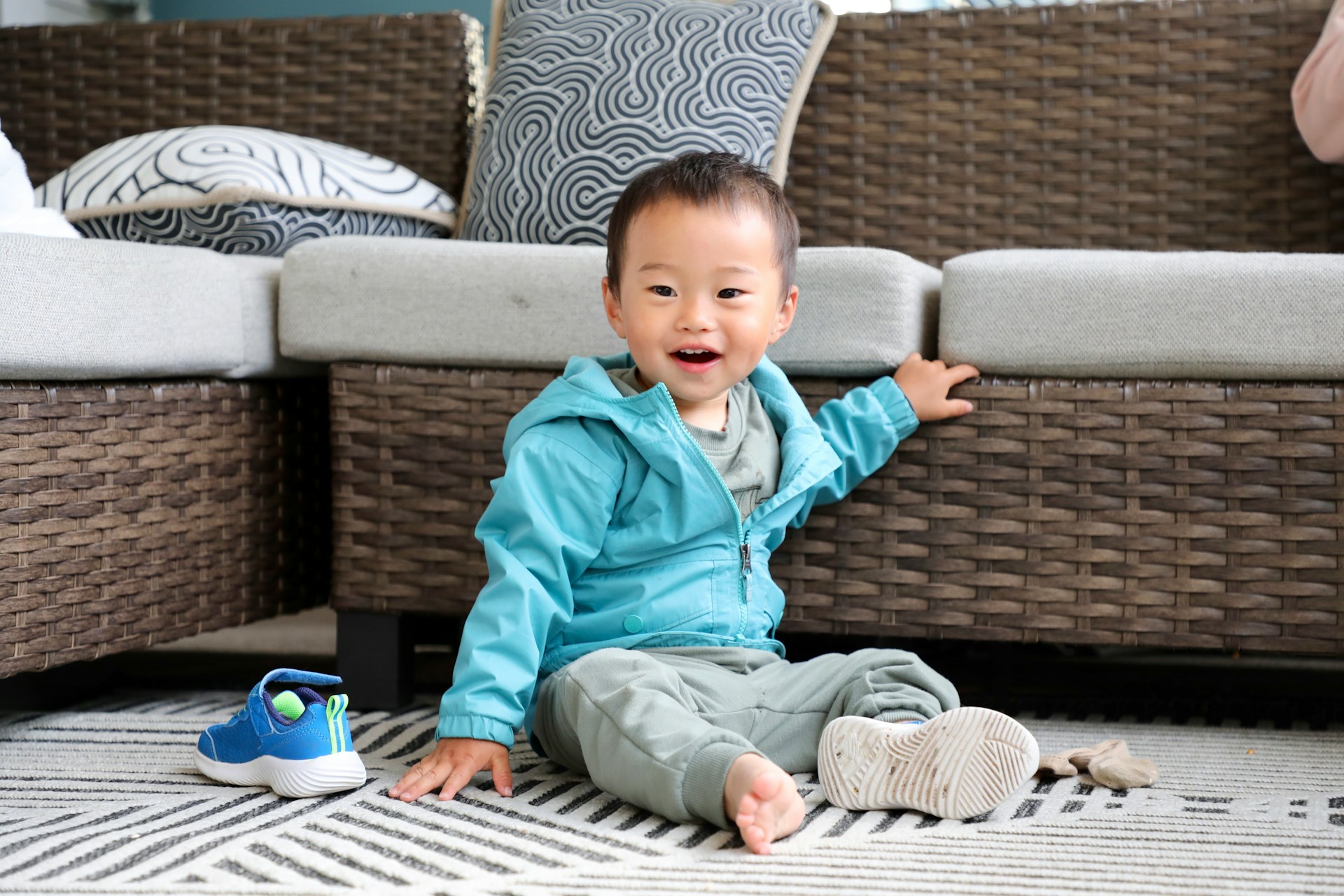
The safest way to store a sharps container in a home with children is
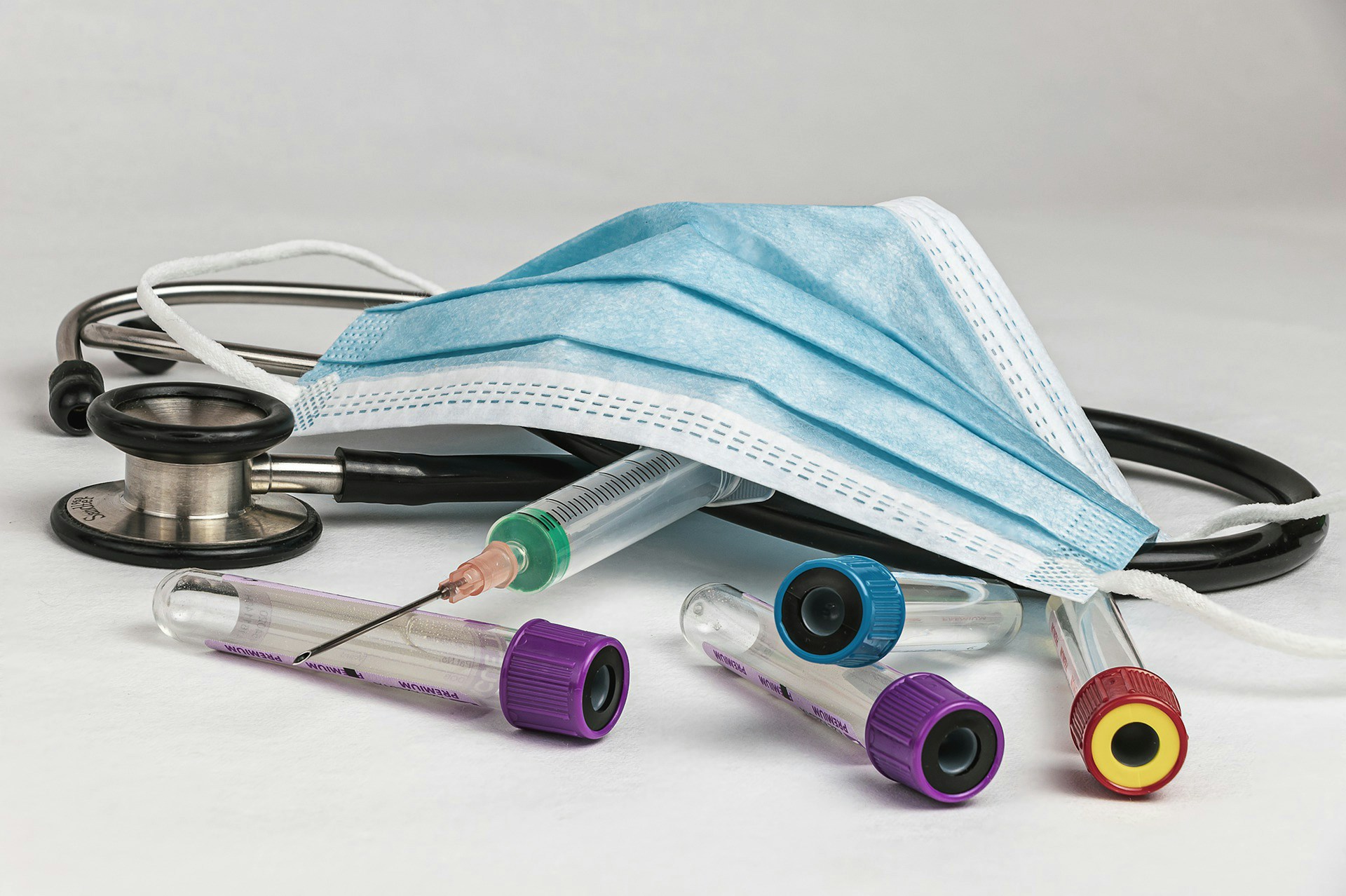
Key Takeaways There have been numerous innovations in sharps disposal management to ensure safer