#1 Online Store to Buy OSHA/CDC Compliant Sharps Containers and Cabinets

Free Shipping on Any Order of $1000 or More
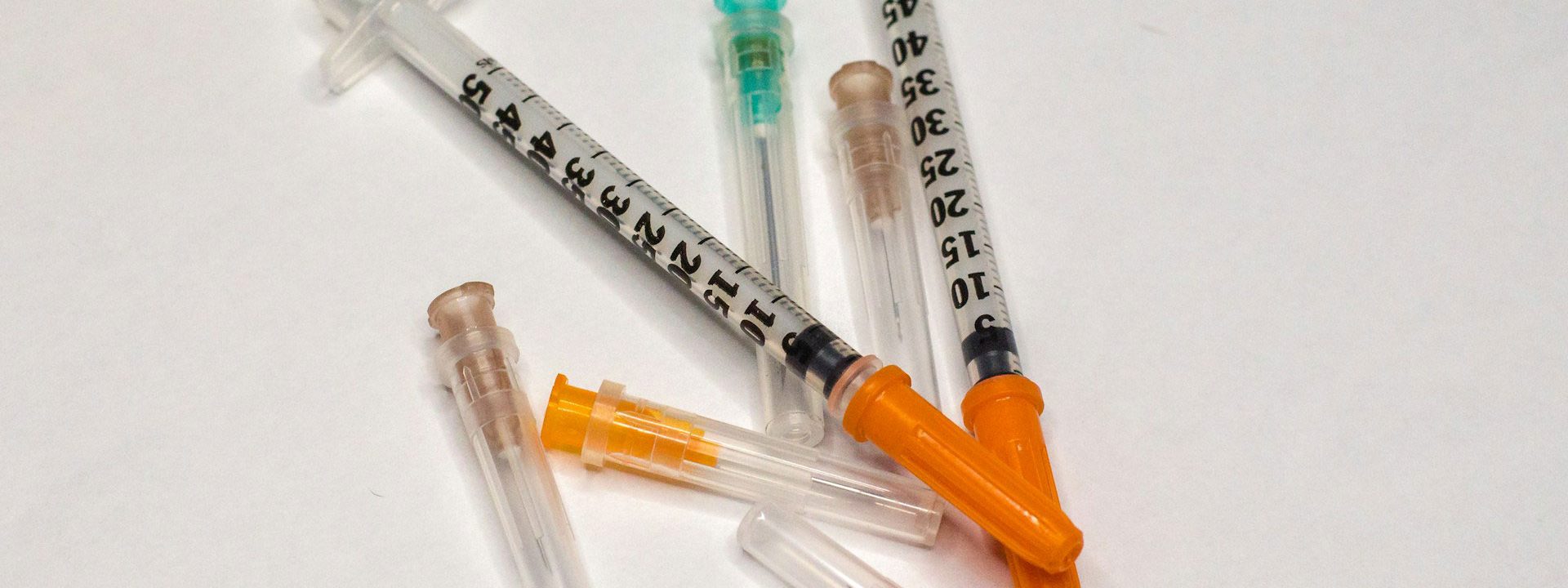
What Are Sharps?

different types of sharps

Learn About the Different Types of Sharps

Medical device sharps have been used or are intended to be used for human or animal patient care in medical, research, or industrial laboratories. These are sharp instruments used to draw blood, administer infusions, and cut the skin during procedures. You might find needle disposal boxes in laboratories, veterinary clinics, and traditional hospital facilities. Learn more about what sharps are with this overview from Post Medical.

Definition of Sharps

What are medical sharps? The FDA defines sharps as “medical devices with sharp points or edges that can puncture or cut skin.” According to OSHA guidelines regarding workplace safety, anything the FDA defines as a “medical sharp” is what goes in a sharps container. 

However, the term “sharps” can include anything with an edge or point, so understanding the definition of sharps is just the beginning. You also need to understand the types of sharps you’re working with to ensure safe usage and disposal.

Types of Sharps

Now that you know what sharps are, Post Medical can break them down into different categories for you, including medical and non-medical device sharps.

Medical Sharps

  • Hypodermic needles: Standard needles for injections, insulin pen needles, butterfly needles (winged infusion sets), spinal needles, and epidural needles.
  • Syringe needles: Attached or detachable needles used on syringes for subcutaneous, intramuscular, or intravenous use.
  • Lancets: Fingerstick lancets and heelstick lancets for blood sampling. These are frequently used for diabetes testing.
  • Scalpels: Disposable scalpels, reusable scalpel handles with blades in different sizes, and safety scalpels.
  • Surgical blades: Sterile blades that are usually used for dermatomes, myringotomy, or general surgery.
  • Suture needles: Curved needles, straight needles, cutting needles, taper point needles, and reverse cutting needles.
  • IV catheters and cannulas: Over-the-needle catheters and trocar needles for central lines.
  • Biopsy needles: Core biopsy needles, fine needle aspiration (FNA) needles, and trephine needles.
  • Dental sharps: Dental needles for anesthesia, explorer probes with sharp tips, periodontal scalers, curettes, endodontic files, reamers, broaches.
  • Phlebotomy sharps: Blood collection needles, multi-sample needles, and blood lancets for venipuncture.
  • Infusion sets: Subcutaneous infusion needles or cannulas for insulin pumps or medication delivery.
  • Bone marrow needles: Aspiration needles and biopsy needles for iliac crest procedures.
  • Ophthalmic sharps: Keratome blades, crescent blades, sideport knives, and phaco choppers.
  • Trocar and cannula systems: Laparoscopic trocars, thoracoscopic trocars, and Veress needles.
  • Arthroscopic sharps: Meniscus cutters, shavers (bladed), and arthroscopic knives.
  • Catheter introducer needles: Seldinger needles and guidewire introducers.
  • Biopsy Needles: Long spinal-style needles for prenatal procedures, including amniocentesis and chorionic villus sampling needles
  • Electrosurgical needles: Monopolar needle electrodes and sharp bipolar forceps tips.

You may also encounter miscellaneous procedural sharps that fall under the definition of sharps, such as skin hooks, tenotomy scissors, myringotomy spears, and ear curettes. For these types of devices, you must use OSHA-approved containers for sharps to ensure everyone’s safety.

Non-Medical Sharps

  • Kitchen knives: Chef’s knives, paring knives, bread knives, utility knives, cleavers, steak knives, boning knives, and fillet knives.
  • Scissors and shears: Household scissors, fabric shears, kitchen shears, pinking shears, barber scissors, and embroidery scissors.
  • Razors and blades: Safety razors, straight razors, utility knife blades, box cutter blades, disposable razor blades, and craft blades.
  • Cutting tools: Scalpels (non-medical craft versions), rotary cutters, carpet knives, snap-off blade knives, linoleum cutters.
  • Saws: Hand saws, hacksaws, coping saws, jigsaws (blades), bow saws, pruning saws, keyhole saws.
  • Chisels and gouges: Wood chisels, carving chisels, cold chisels, cape chisels, gouges for woodworking or sculpting.
  • Axes and hatchets: Felling axes, splitting axes, hatchets, tomahawks, and adzes.
  • Garden and landscaping tools: Hedge trimmers (manual), loppers, grass shears, pruning shears, sickles, scythes, machetes, billhooks.
  • Sewing and crafting sharps: Needles, pins, awls, bodkins, and seam rippers.
  • Office and art supplies: Letter openers, paper cutters, mat cutters, drafting compasses with points.
  • Hunting and fishing tools: Hunting knives, skinning knives, gut hooks, fish hook removers, fish hooks, arrowheads, broadheads.
  • Industrial and workshop tools: Metal snips, aviation snips, wire cutters, pipe cutters, glass cutters, tile nippers.
  • Miscellaneous edged tools: Ice picks, corn holders, fondant cutters, pizza cutters (wheel), mandoline slicers (blades).

You may not need biohazard sharps containers to dispose of these products, but you should still be as safe as possible when throwing non-medical sharps away. Wrap them up in layers of paper or cloth, place them in a sturdy container, and label them before setting them aside for disposal.

For all your sharps disposal needs, visit Post Medical to buy sharps containers, wall-mounted sharps container cabinets, and more, ensuring safe disposal.

Have more questions about what sharps are? Reach out to our team today for additional support!